
Introduction: Why Storage and Shelf Life Matter
Process free CTP plates are increasingly adopted by offset printing companies worldwide due to their chemistry-free workflow, reduced operating costs, and environmental benefits. However, as more printers transition from conventional CTP plates to process free technology, questions around storage conditions and shelf life become critically important.
Unlike traditional chemically processed plates, process free CTP plates rely heavily on advanced coating chemistry, which makes correct storage essential for maintaining imaging performance and press stability.
In this article, we provide a complete professional guide to Process Free CTP Plates Storage and Shelf Life, helping printers avoid quality issues, reduce waste, and ensure consistent production results.
Understanding Process Free CTP Plate Sensitivity
Process free CTP plates are designed to be imaged on thermal CTP systems and go directly to press without chemical development. Their coating reacts precisely to laser exposure and is then cleaned out on press.
Because of this design, process free plates are more sensitive to:
Temperature fluctuations
Humidity levels
Light exposure
Storage duration
Proper storage is not optional — it is a key part of plate performance control.
What Is the Typical Shelf Life of Process Free CTP Plates?
The shelf life of process free CTP plates generally ranges from:
12 to 18 months under recommended storage conditions
Some high-end formulations may reach up to 24 months
However, shelf life always depends on:
Manufacturer’s coating formulation
Packaging quality
Storage environment
Handling practices
It is important to always follow the technical data sheet (TDS) provided by your plate manufacturer.
Recommended Storage Conditions for Process Free CTP Plates
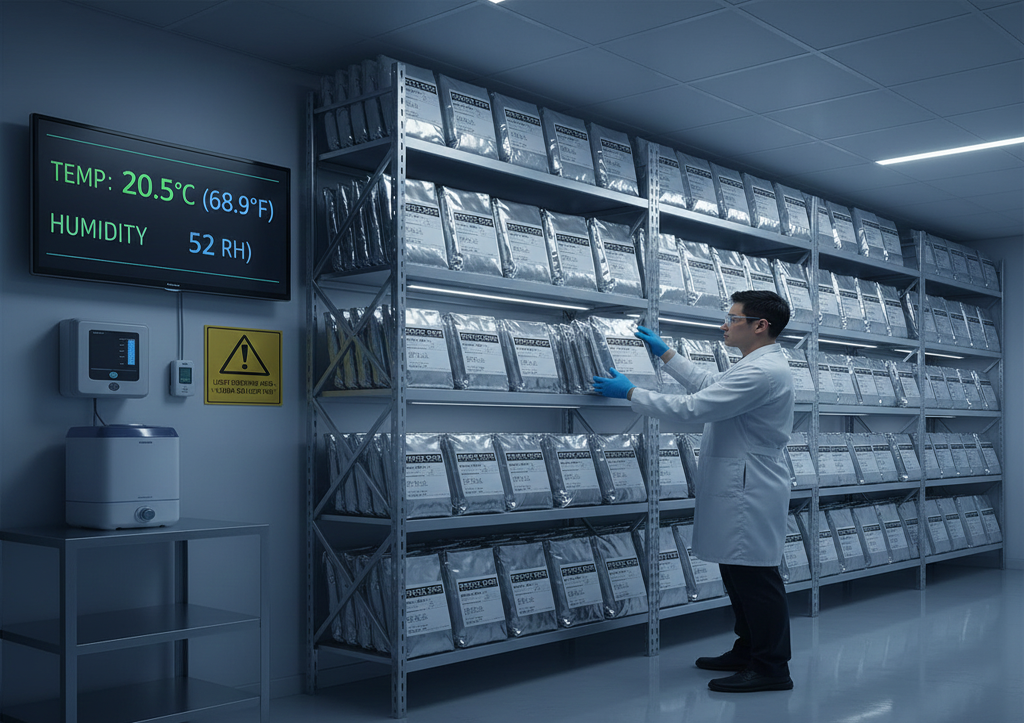
1. Temperature Control
Recommended temperature range:
15°C – 25°C (59°F – 77°F)
Why temperature matters:
High temperatures accelerate coating aging
Low temperatures may cause condensation when plates are unpacked
⚠ Avoid storing plates near:
Heat sources
Direct sunlight
Exterior warehouse walls
Stable room temperature ensures consistent plate sensitivity and imaging behavior.
2. Humidity Management
Recommended relative humidity:
40% – 60% RH
High humidity risks:
Coating degradation
Aluminum oxidation
Packaging moisture absorption
Low humidity risks:
Static electricity
Dust attraction
A climate-controlled storage room is strongly recommended for process free CTP plates.
3. Light Protection
Process free CTP plates are light-sensitive, especially to UV and strong white light.
Best practices:
Store plates in original sealed packaging
Use yellow safe light in plate rooms
Avoid prolonged exposure to ambient lighting
Never leave unpacked plates exposed on worktables for extended periods.
4. Horizontal Storage Position
Process free CTP plates should always be stored:
Horizontally
On flat, stable shelves
Without heavy stacking pressure
Incorrect storage may cause:
Plate deformation
Edge damage
Coating stress
This directly affects imaging accuracy and press performance.
Packaging and Handling Best Practices
Keep Original Packaging Intact
Original packaging is designed to:
Block light
Control moisture
Protect against dust
Only open packages immediately before use.
Acclimatization Before Use
If plates are moved from cold storage to the plate room:
Allow at least 12–24 hours for acclimatization
Keep packaging sealed during temperature equalization
This prevents condensation on the plate surface.
Clean Handling Procedures
Use clean gloves when handling plates
Avoid touching the coating surface
Keep dust and ink mist away from storage areas
Even minor contamination can affect imaging quality.
How Improper Storage Affects Plate Performance
Poor storage conditions can lead to several issues:
1. Reduced Imaging Sensitivity
Higher laser energy required
Inconsistent dot formation
2. On-Press Clean-Out Problems
Slow background removal
Increased paper waste during make-ready
3. Shortened Run Length
Premature image wear
Reduced plate durability
4. Unstable Ink-Water Balance
Difficult press adjustment
Increased operator intervention
Many of these issues are mistakenly attributed to “plate quality” but are actually caused by storage-related degradation.
Shelf Life Management in Daily Production
First-In, First-Out (FIFO)
Always follow FIFO principles:
Use older plates before newer batches
Clearly label delivery dates
This minimizes expired stock risk.
Batch Tracking
Professional printers should:
Record batch numbers
Track imaging performance
Communicate feedback to suppliers
This helps identify storage or environmental issues early.
Avoid Over-Stocking
Unlike conventional plates, process free plates benefit from:
More frequent replenishment
Smaller inventory volumes
Over-stocking increases the risk of shelf life expiration.
Differences Between Process Free and Conventional Plate Storage
| Aspect | Process Free CTP Plates | Conventional CTP Plates |
|---|---|---|
| Chemical Sensitivity | Higher | Lower |
| Light Sensitivity | Higher | Moderate |
| Storage Control | More critical | Standard |
| Shelf Life Impact | Significant | Moderate |
This comparison highlights why process free plates require stricter storage discipline.
Manufacturer’s Role in Shelf Life Stability
A professional Process Free CTP Plate manufacturer plays a crucial role in shelf life performance by:
Using stable coating chemistry
Implementing strict quality control
Providing clear storage guidelines
Ensuring reliable packaging
Choosing the right manufacturer significantly reduces storage-related risks.
Practical Tips for Printers Switching to Process Free Plates
If you are transitioning from conventional plates:
Upgrade plate storage conditions if needed
Train staff on handling requirements
Follow manufacturer recommendations closely
Test plates within recommended shelf life
A smooth transition ensures you fully benefit from process free technology.
Conclusion: Storage Is Key to Process Free Plate Performance
Process Free CTP Plates Storage and Shelf Life management is a critical factor in achieving stable imaging, reliable press performance, and long-term cost efficiency.
When stored correctly, process free plates deliver:
Consistent imaging quality
Clean on-press development
Reduced waste
Reliable production performance
👉 We are a professional Process Free CTP Plate manufacturer, offering stable coating technology, reliable packaging, and clear storage guidance for global customers.
If you have questions about process free CTP plate storage, shelf life, or product selection, feel free to contact us — we are ready to support your production needs.
Why Does a CTP Plate Scum on Press ? 9 Common Causes and Proven Solutions
Learn why CTP plates scum on press, the most common causes, troubleshooting methods, and practical solutions to improve offset printing quality and reduce downtime.

Which Offset Machine Is Best ? A Practical Guide for Commercial Printing
Which offset machine is best? Learn how to choose the right offset printing machine based on format, volume, cost, and CTP technology.
Where to Buy Thermal CTP Plates for Offset Printing | Best Supplier Guide & Expert Tips
Looking for reliable thermal CTP plates for offset printing? This expert guide explains how to choose a trustworthy supplier, compares global and Chinese manufacturers, and shares key quality criteria.