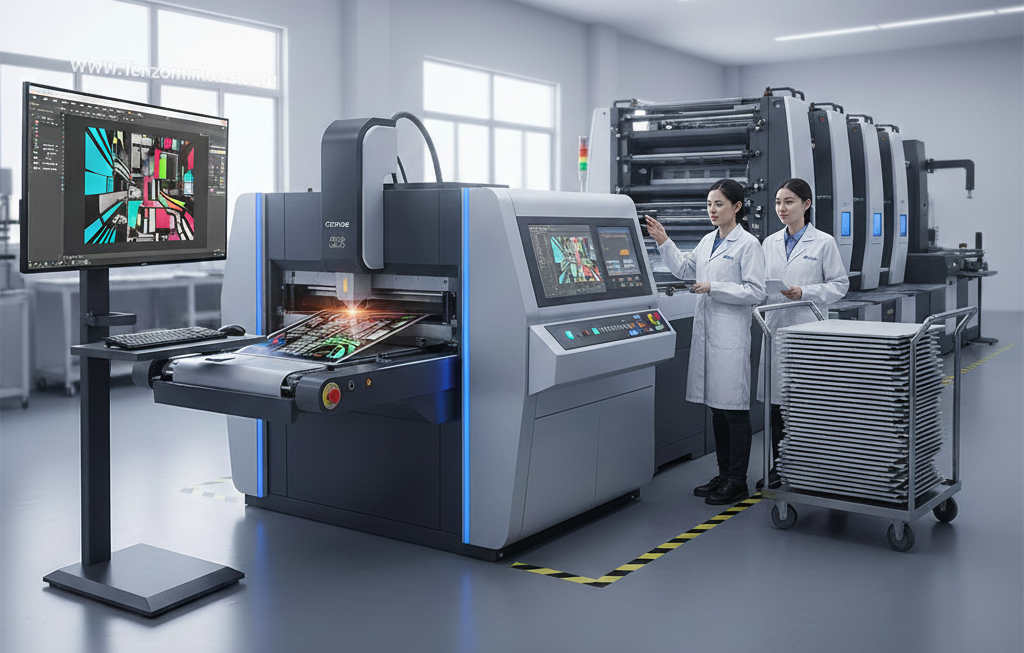
Introduction: Why CTP Changed Offset Printing
In the past, offset printing relied heavily on film and manual plate making. The process was slow, complex, and easy to make mistakes. As print jobs became shorter, faster, and more demanding, traditional workflows could no longer meet market needs.
This is where CTP (Computer-to-Plate) technology made a real difference.
CTP technology allows printing plates to be made directly from digital files, without film. This simple change greatly improved speed, accuracy, and overall efficiency in offset printing.
In this article, we explain how CTP technology improved offset printing efficiency, using clear language and real production logic.
What Is CTP Technology? (Simple Explanation)
CTP means Computer to Plate.
Instead of printing films first and then exposing plates, CTP systems:
Take the digital design file
Use a laser to image it directly onto the plate
Send the plate to press faster and with fewer errors
In short:
CTP removes unnecessary steps and human interference.
Traditional Plate Making vs CTP Plate Making
Traditional Workflow (Film-Based)
Before CTP, plate making usually included:
Output film
Check film quality
Align films manually
Expose the plate
Develop the plate
Fix errors if something went wrong
This process was:
Time-consuming
Labor-intensive
Easy to make alignment mistakes
CTP Workflow
With CTP:
Digital file goes directly to the CTP machine
Plate is imaged automatically
Plate goes to press (or minimal processing)
Fewer steps mean:
Faster production
Fewer mistakes
Higher efficiency
Faster Plate Production = Higher Printing Efficiency
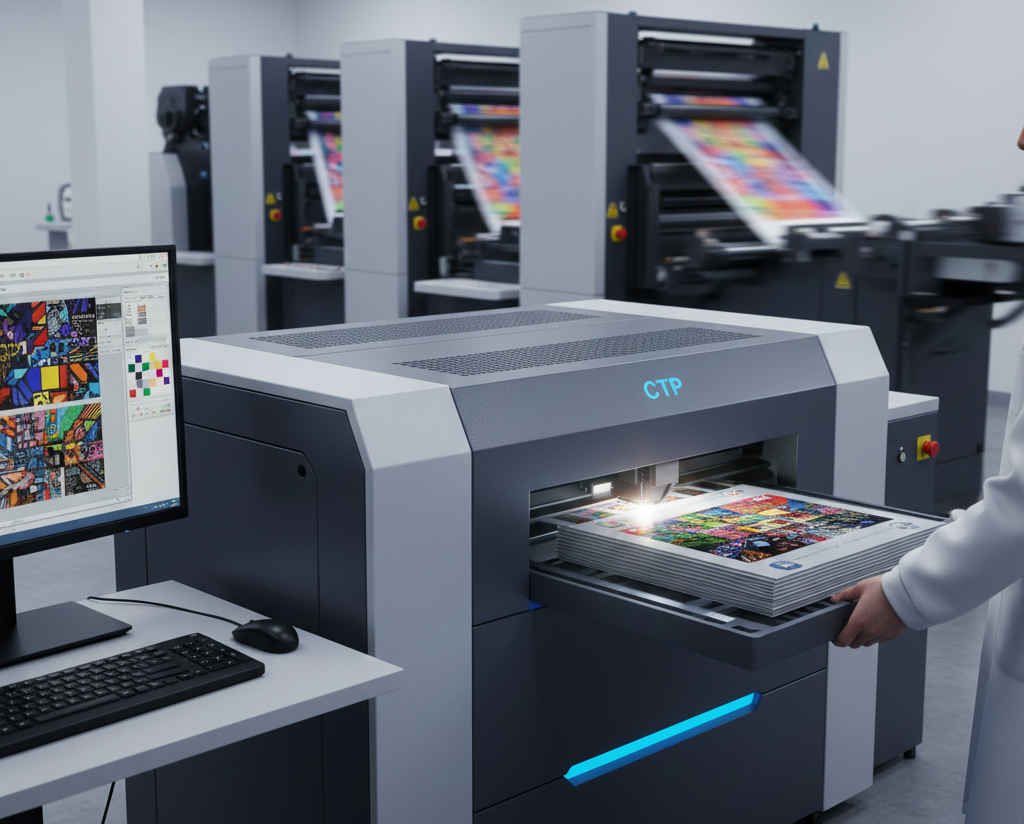
No Film Output, No Film Problems
One of the biggest improvements brought by CTP is no film.
This means:
No film printing time
No film scratches or dust
No film storage
No alignment issues
Plate production becomes faster and more stable, especially for multi-color jobs.
Shorter Plate-to-Press Time
CTP allows printers to:
Make plates quickly
Respond faster to urgent orders
Reduce waiting time before printing
For newspaper printing and commercial printing, time saved equals money saved.
More Accurate Plates, More Stable Printing
Digital Imaging Means Higher Precision
CTP plates are imaged by laser, not by manual exposure. This gives:
Accurate dot reproduction
Stable screen ruling
Consistent image quality
Better plates lead to better printing results.
Fewer Plate Remakes
Because CTP imaging is stable and repeatable:
Plate errors are reduced
Fewer plates need to be remade
Material waste is lower
This directly improves production efficiency and reduces cost.
Faster Press Setup and Less Makeready Time
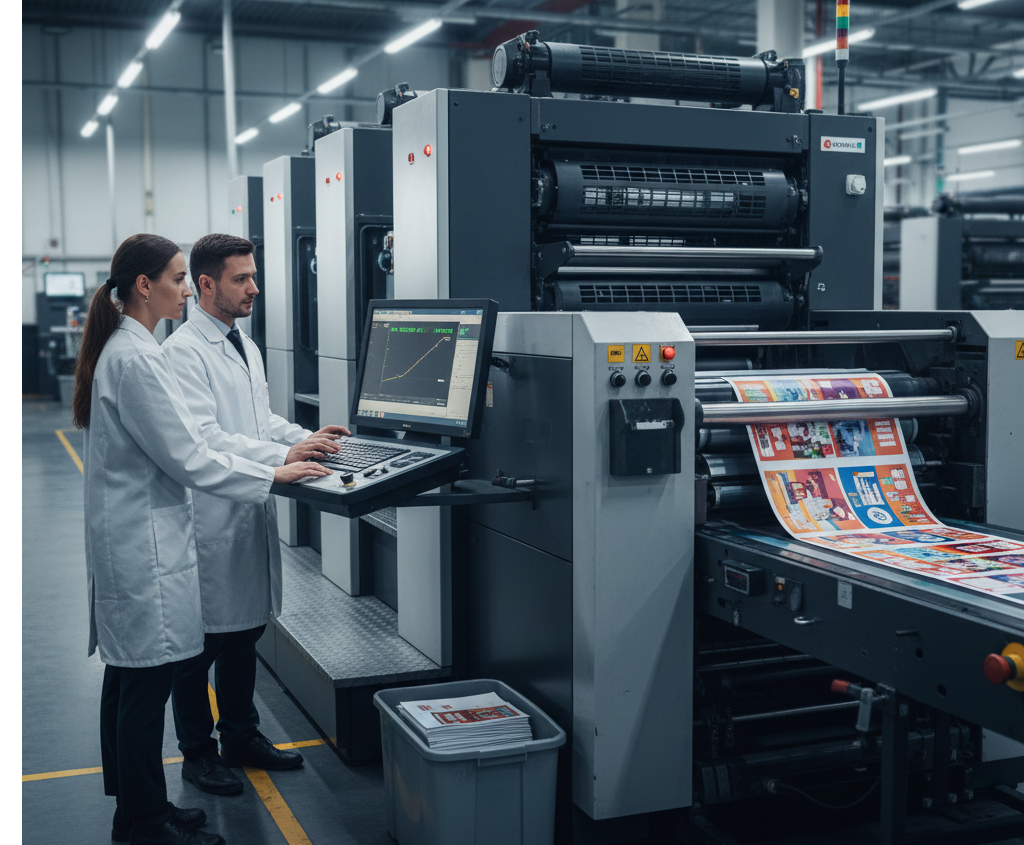
Stable Plates Make Press Setup Easier
With traditional plates, small differences in exposure or processing could affect:
Ink balance
Color consistency
Registration
CTP plates are more consistent, so:
Press setup is faster
Ink-water balance is easier
Fewer adjustment sheets are needed
Faster Color Stabilization
CTP plates help presses reach stable color faster, which means:
Less paper waste
Shorter makeready time
Higher effective output
This is a key reason why CTP improves overall offset printing efficiency.
Lower Operating Costs with CTP Technology
Saving on Materials
CTP technology reduces or eliminates:
Film
Film chemicals
Film storage space
When combined with process-free CTP plates, savings are even greater.
Lower Labor Requirements
CTP workflows:
Reduce manual operations
Simplify training
Allow fewer people to manage more work
This is especially important as labor costs continue to rise.
Cleaner Production and Environmental Benefits
Less Chemical Usage
Modern CTP plates—especially process-free plates—require:
Less developer
Less water
Less chemical handling
This makes compliance with environmental regulations much easier.
Better Working Environment
CTP technology creates:
Cleaner prepress rooms
Safer working conditions
Less chemical smell and waste
These benefits are important for both workers and company image.
Easy Integration with Modern Printing Workflows
Works Well with Digital Systems
CTP systems easily connect with:
RIP software
Workflow automation
Color management systems
This helps printers:
Reduce human errors
Improve job control
Increase production stability
Compatible with Different Plate Types
CTP technology supports:
Thermal CTP plates
UV CTP plates
Process-free CTP plates
Printers can choose the best plate type based on:
Job type
Budget
Environmental requirements
Benefits for Different Printing Applications
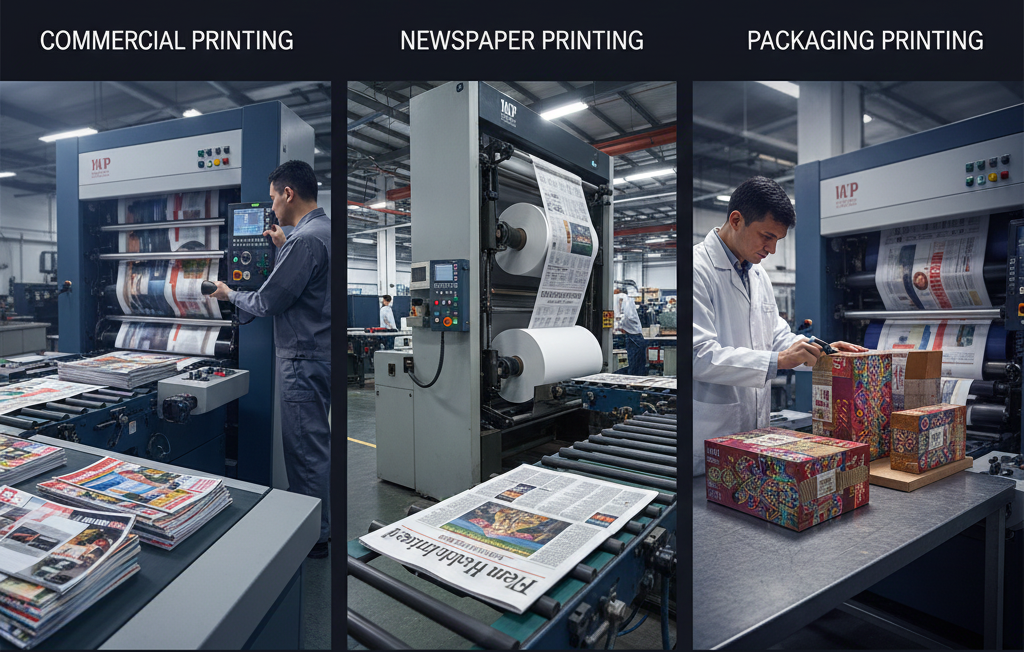
Commercial Printing
Faster job turnaround
Better quality consistency
Lower setup time
Newspaper Printing
High plate output
Tight deadlines
Stable daily production
Packaging Printing
Accurate image reproduction
Stable color control
Strong plate durability
Why CTP Technology Is Now Standard
Today, CTP is no longer a “new technology”. It has become the standard solution for offset printing because it:
Improves efficiency
Reduces waste
Lowers long-term costs
Improves print quality
Printers using CTP are more competitive and better prepared for market changes.
Choosing the Right CTP Plates Is Important
CTP technology works best when combined with:
Stable plate quality
Reliable plate suppliers
Proper technical support
Poor-quality plates can reduce all the efficiency benefits of CTP.
Conclusion: How CTP Technology Improved Offset Printing Efficiency
CTP technology improved offset printing efficiency by:
Making plate production faster
Improving plate accuracy
Reducing setup time
Lowering labor and material costs
Creating a cleaner and more stable workflow
For modern printers, CTP is a key tool to stay competitive in today’s fast-changing printing market.
👉 We are also a professional CTP plates manufacturer, supplying thermal CTP plates and process-free CTP plates with stable quality and reliable performance.
If you are looking to improve your offset printing efficiency, feel free to contact us—we are ready to support your printing business.
Why Does a CTP Plate Scum on Press ? 9 Common Causes and Proven Solutions
Learn why CTP plates scum on press, the most common causes, troubleshooting methods, and practical solutions to improve offset printing quality and reduce downtime.
Which Offset Machine Is Best ? A Practical Guide for Commercial Printing
Which offset machine is best? Learn how to choose the right offset printing machine based on format, volume, cost, and CTP technology.
Where to Buy Thermal CTP Plates for Offset Printing | Best Supplier Guide & Expert Tips
Looking for reliable thermal CTP plates for offset printing? This expert guide explains how to choose a trustworthy supplier, compares global and Chinese manufacturers, and shares key quality criteria.