Process-Free CTP Plate
Premium CTP Plates • Photopolymer Films • Printing Inks • Accessories


Process-Free CTP Plate
Eco-Friendly Printing Solution
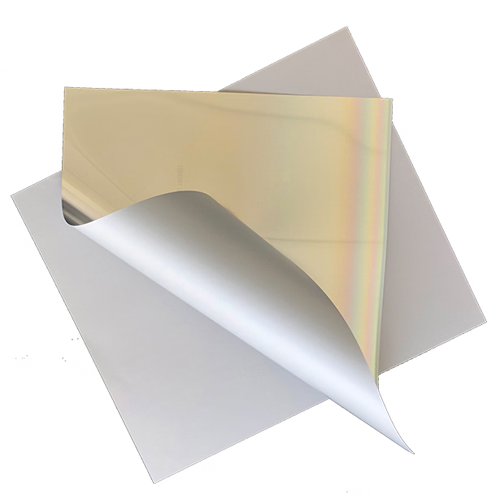
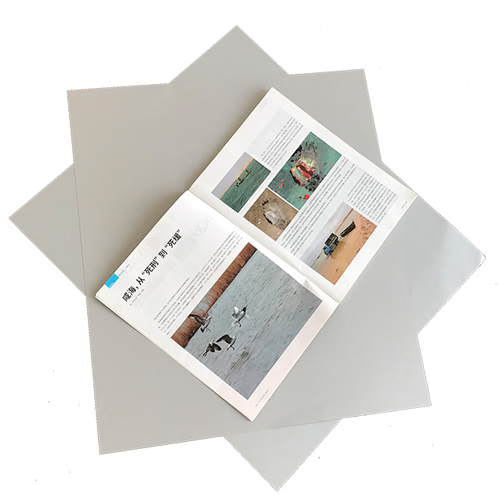
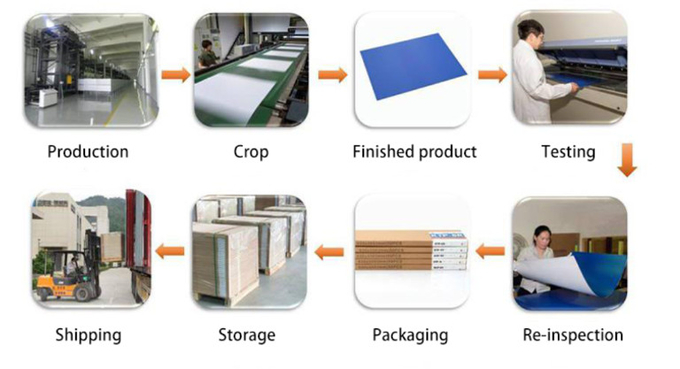
The Process-Free CTP Plate is an innovative and environmentally friendly printing solution designed to eliminate the need for chemical processing. It simplifies the prepress workflow, reduces costs, and improves efficiency while maintaining high printing quality and plate durability.
Ideal for commercial printing, newspaper, and packaging applications where sustainability and speed matter most.
Technical Data Sheet
| Item | Specification |
|---|---|
| Type | Process-Free Thermal CTP Plate |
| Spectral Sensitivity | 830 nm (Thermal Laser) |
| Plate Thickness | 0.15 mm, 0.20 mm, 0.30 mm |
| Resolution | 1%–99% @ 200 lpi |
| Run Length (Unbaked) | Up to 100,000 impressions |
| Run Length (Baked) | Up to 200,000 impressions |
| Safelight | Daylight-safe handling |
| Developer | Not required |
| Storage Conditions | 15–25°C, 30–60% RH |
| Compatibility | Compatible with all major thermal platesetters (Heidelberg, Kodak, Screen, Agfa, etc.) |
Key Features
- Process-Free Technology : No need for developer or rinsing chemicals — simply image, mount, and print.
- High Sensitivity : Compatible with 830nm thermal CTP platesetters.
- Excellent Printing Durability : Up to 100,000 impressions without baking.
- Fast Imaging Speed : Supports high-speed exposure and stable dot reproduction.
- Eco-Friendly : Zero chemical discharge, less energy consumption, safer workplace.
- Stable Performance : Excellent dot reproduction and color consistency throughout the run.
Applications
Commercial offset printing
Book and magazine printing
Packaging & label production
Short-run and digital-compatible printing
Frequently Asked Questions
What is a process-free CTP plate?
It is a thermal printing plate that requires no developer or rinsing chemicals. After imaging, it can be mounted directly on the press, greatly simplifying workflow.
Can process-free CTP plates achieve the same print quality as conventional plates?
Yes. They deliver equivalent or even better resolution and color stability compared to conventional thermal plates.
Are these plates compatible with all CTP devices?
They are compatible with most 830 nm thermal platesetters, such as Kodak, Heidelberg, and Screen systems.
What are the main environmental benefits?
Since there are no processing chemicals or water used, waste disposal is reduced and the printing environment becomes cleaner and safer.
Related products
Low-VOC Offset Inks: Benefits, Technology, and Applications for Sustainable Printing
Learn what Low-VOC offset inks are, how they work, and why they are essential for sustainable printing.A complete guide covering benefits, types, performance advantages, applications, and best practices for printers transitioning to Low-VOC ink systems.
Best Plate Cleaner for Thermal CTP Plates – Comprehensive Technical Guide
A detailed, professional guide to selecting, using, and maintaining the correct plate cleaner for thermal CTP plates. Includes chemistry types, plate compatibility, troubleshooting, pressroom routines, and expert best practices.
What Is the Difference Between CTP and CTCP Plates ? Complete Professional Guide
Learn the detailed differences between CTP and CTCP plates, including workflow, cost, print quality, applications, and how to choose the right plate for your offset printing business.
RFQ of Processless CTP Plates : Guide to Requesting Accurate Quotes for Offset Printing Plates
Learn how to submit a professional RFQ of Processless CTP Plates. This detailed guide explains specifications, run length, compatibility, pricing factors, and tips for choosing the right supplier.
Ready to Discuss Your Project?
Whether you’re looking for samples, MOQ info or custom solutions — our team is here to assist.